Exercise Physiology
-
5 ways Exercise Physiology Boosts Cardiovascular Health
What is exercise physiology?Exercise physiology is the study of how the body responds to physical activity and the adaptations made as a result. What is the cardiovascular system?The cardiovascular system is comprised of the heart, blood vessels, and lungs. The role of the cardiovascular system is to transport oxygen and nutrients around the body. A…
-
The 6 benefits of Exercise Physiology for Ehlers-Danlos Syndrome

What is EDS?Ehlers-Danlos syndrome (EDS) is a group of disorders affecting connective tissue of the body. There are currently 13 types of EDS, all typically characterised by joint hypermobility and abnormal skin elasticity. The severity of symptoms varies with each type of EDS, as well as varying from person to person. Managing EDS requires a…
-
Benefits of Exercise Physiology for ADHD brains

What is ADHD?Attention Deficit hyperactivity disorder (ADHD) is a neurodevelopmental condition,characterised by symptoms including hyperactivity, inattention and impulsivity. ADHD often impacts various aspects of life including school, work and relationships. What is Exercise Physiology?Exercise physiology is the study of how exercise affects the body, particularly in relation to improving or restoring health and wellbeing. Exercise…
-
7 Steps To Finding The Best Exercise Physiologist Nearby

When it comes to your health and wellbeing, having the right support and expertise by you side is essential. For many, and Exercise Physiologist is a crucial support when managing chronic conditions, recovering from injuries, optimizing performance or managing disabilities. But how do you find the best exercise physiologist to suit your needs? In this…
-
The Role Of Exercise In NDIS Plans

The National Disability Insurance Scheme (NDIS) provides people with disabilities inAustralia with essential support so they can live a fulfilling life and achieve their goals. There are several components in NDIS plans, one of the core components being the ability to access a variety of services. This includes physical and allied health supports. In particular,…
-
#1 Guide For Personal Training For People With Back Injuries
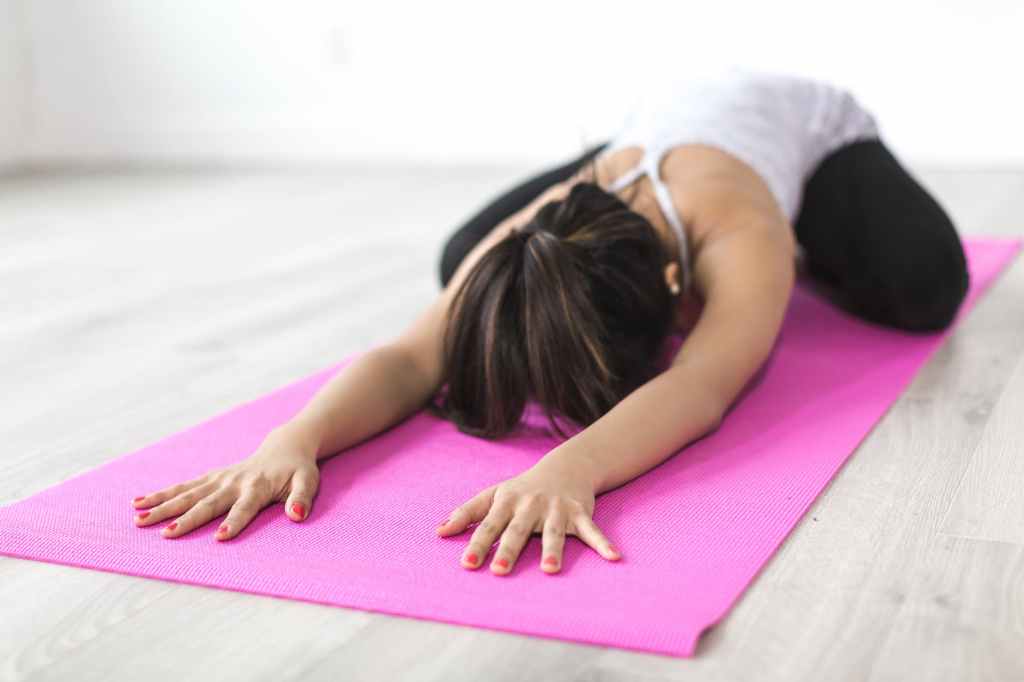
The muscles of your lower back are responsible for movement, postural control and support. They work alongside your bones and ligaments to allow for functional movements and keep you upright throughout the day. When these lower back muscles are sustained in an awkward position, experience an unexpected movement or are overexerted they can tighten, which…
-
5 Patella Tendonitis Exercises For Athletes

Patellar tendonitis is an overuse injury that affects the tendon that connects the kneecap (also known as the patellar) to your shin bone. This tendon becomes inflamed and irritated causing discomfort below and above the kneecap area. This can be due to repetitive movements that have created an increase in load on the tendon beyond…
-
3 Tips for Muscle Spasm Relief

What is a spasm? A muscle spasm is an involuntary contraction within the muscles of your body. This means that your muscles suddenly tighten without your conscious intent. A spasm can be painful and can last for a few seconds and potentially recur several times before disappearing. They can occur within any muscle of the…
-
6 Stretches to Help With Lower Back Muscle Spasm Pain
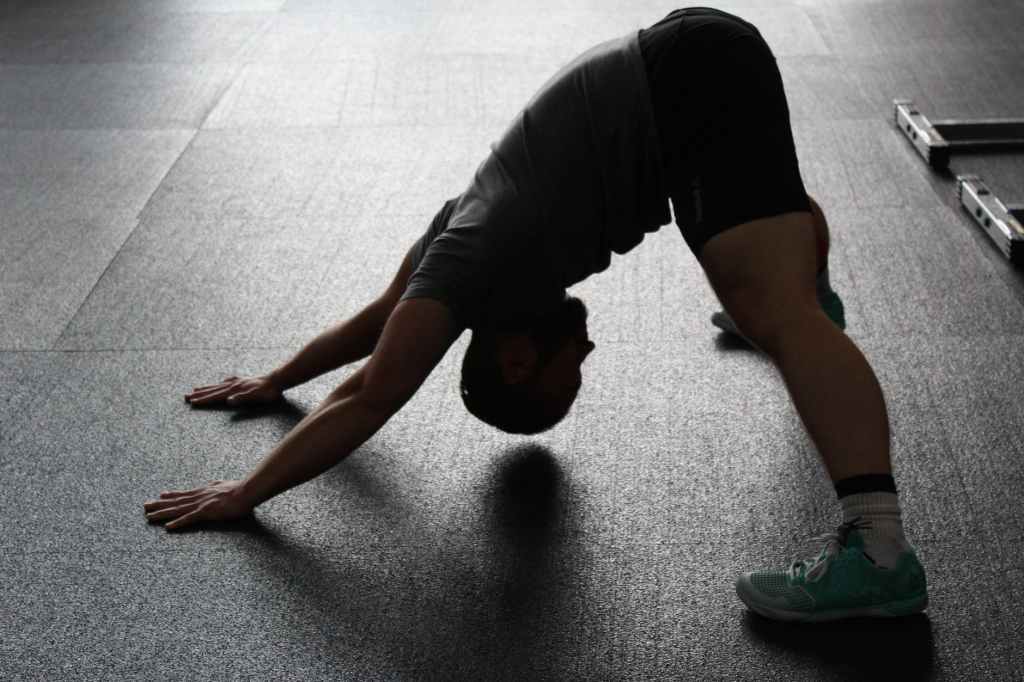
It is estimated that 1 in 6 Australians have lower back pain. There are many factors which may result in lower back pain, one of the most common being muscle spasm. A muscle spasm is an involuntary contraction of your muscles. This can result in a loss of range, pain at the site of the…
-
11 Natural Muscle Spasm Relief Strategies

What is a spasm? A muscle spasm is an involuntary contraction within the muscles of your body. This means that your muscles suddenly tighten without your conscious intent. A spasm can be painful and can last for a few seconds and potentially recur several times before disappearing. You may feel tension, weakness, or sudden onset…
 Urban Health HQ