Exercise Physiology
-
3 Simple Metatarsal Stress Fracture Rehabilitation Exercises

What is a metatarsal? Metatarsals are the bones of the foot. There are 5 metatarsals in each foot and these bones are located between the ankle and toes. What is a metatarsal stress fracture? A metatarsal stress fracture is a very thin crack within one or multiple metatarsal bones. This fracture will develop from an…
-
What Does the Treatment of a Lumbar Muscle Spasm Involve?

According to the Australian Institute of Health and Welfare: -In Australia 2015, back problems were the 2nd leading cause of disease burden. -In Australia 2017-18, 1 in 6 Australians had back problems. Read more to find out how our team of Occupational Therapists and Exercise Physiologists can help you today!
-
Top 7 Remedies to Treat a Muscle Spasm At Home

What is a Muscle Spasm? A muscle spasm is an involuntary contraction within any of the muscles of your body. This means that your muscles suddenly tighten without your conscious intent. Spasms can occur within any muscle of the body – from part of a muscle, up to several muscles within the same area. Anyone…
-
How to Find the Right Personal Trainer When you Have an Injury

Exercising when you have an injury can be hard to get right. Often you may find that your normal gym program is making your pain worse and that you may need to stop training all together to heal. We recommend first speaking to an Exercise Physiologist about your injury and your training goals before giving…
-
7 Exercises to Help When Personal Training a Client With Back Pain

The muscles of your lower back are responsible for movement, postural control and support. They work alongside your bones and ligaments to allow for functional movements and keep you upright throughout the day. When these lower back muscles are sustained in an awkward position, experience an unexpected movement or are overexerted they can become irritated…
-
5 Reasons why Athletes Should See a Sports Exercise Physiologist.

What does an Exercise Physiologist do? Exercise physiologists use exercise as therapy, in other words, prescribe exercise as ‘medicine’. An exercise physiologist is concerned with how exercise positively changes the human body to improve short and long-term health. They can help you understand how to exercise safely and effectively to improve your sports performance, rehabilitate…
-
What are the Benefits of Pre and Post Natal Exercise?
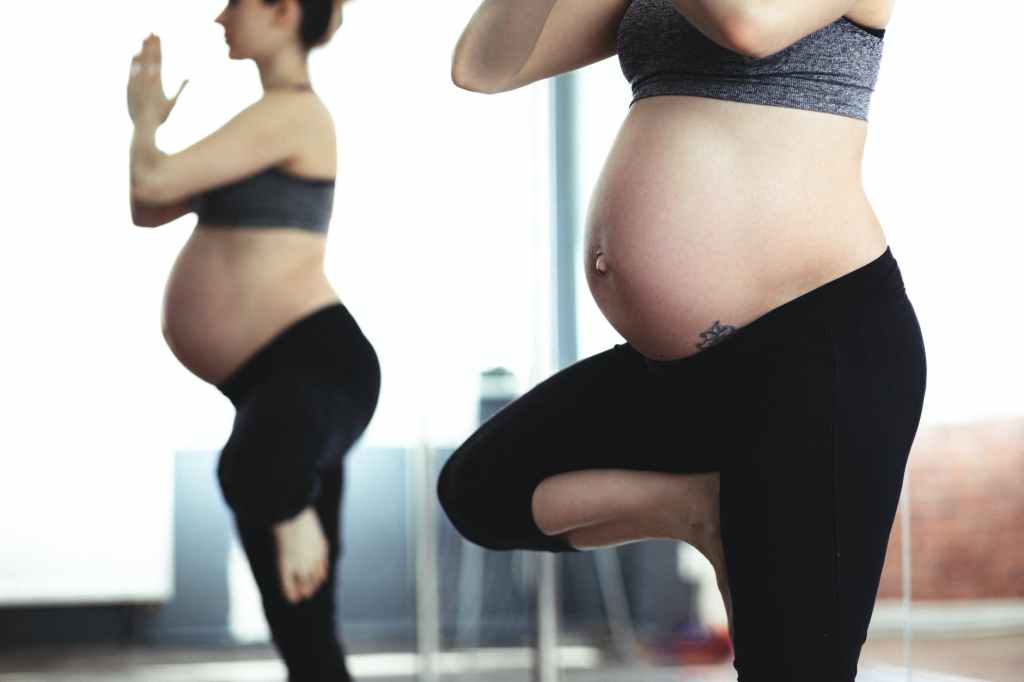
Exercise is fantastic to physically strengthen your muscles; lose any weight you have gained and raise your energy levels. Mentally, exercise can relieve stress and help prevent postpartum depression. It is understandable as a new mother that you will have limited time to exercise. At any opportunity you get 5 minutes of exercise is better…
-
3 Ways To Manage Supinator Muscle Pain

The supinator muscle is located deep within both forearms. Its role is to make the supination movement of the forearms – which is the movement of turning your hands so that the palms face upwards. Check out or blog below to find out how Soft Tissue OT can help with your supinator pain!
-
#1 Guide to Rehabilitation Exercises for Osgood Schlatters Disease.

What is Osgood Schlatters Disease? Osgood Schatters Disease is a common cause of knee pain in adolescents. It is caused by inflammation of the patella tendon as it inserts onto the tibial tubercle, which is the boney prominence at the front of your shin bone. Osgood Schlatters Disease occurs during growth spurts, commonly around 13-14…
-
3 Exercises Excellent for Cardiac Rehabilitation

Cardiac health is extremely important in improving overall health and to either treat or minimise the impact of cardiac health conditions such as cardiovascular disease, recent heart attack, heart failure and arrhythmia. Following the diagnosis of any of these conditions, it is important to consult with an Exercise Physiologist to complete cardiac rehabilitation in a…
 Urban Health HQ