Exercise Physiology & Soft Tissue Occupational Therapy
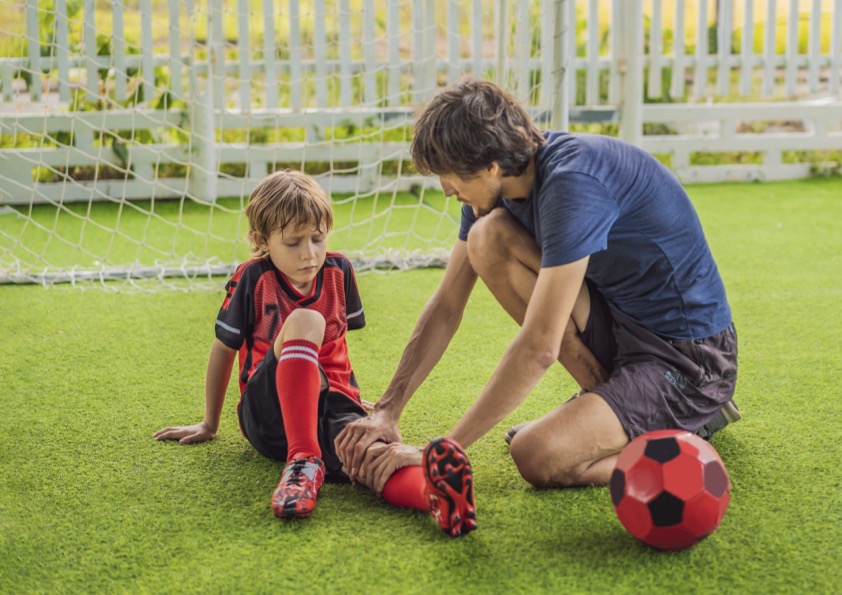
If your child has recently started complaining about pain just below their kneecap after running, jumping, or playing sport, they may have Osgood-Shlatter Disease (OSD). This is one of the most common causes of knee pain in growing children and teenagers, particularly those involved in sports like football, netball, basketball, soccer, gymnastics, and athletics.
The good news is that with the right management, most young athletes can continue to stay active while reducing pain and preventing long-term issues.
At Urban Health HQ in Ellenbrook, out Exercise Physiologists and Soft Tissue Occupational Therapists work together to help young people recover safely, improve movement, and return to the activities they love.
What is Osgood-Shaltter Disease?
Osgood-Shlatter Disease is an overuse injury that affects the growth plate at the top of the shin bone (tibia), just below the kneecap (patella).
During periods of rapid growth, bones often grow faster than muscles and tendons can adapt. Repeated pulling of the patellar tendon on the developing growth plate can lead to irritation, inflammation, and pain.
OSD most commonly affects children between the ages of 10 and 15 years, particularly those participating in regular sport or physical activity.
Common Symptoms:
Signs of Osgood-Shlatter Disease include:
- Pain just below the kneecap
- Tenderness over the bony lump on the front of the shin (tibial tuberosity)
- Swelling around the knee
- Pain during running, jumping, kicking, or squatting
- Symptoms that improve with rest but return during activity
- Tight quadriceps, hamstrings, or calves
The condition often affects one knee but can occur in both.
Why does it happen?
Several factors can contribute to Osgood-Shlatter Disease, including:
- Growth spurts
- Repetitive jumping and running
- Tight muscles around the hips and legs
- Reduced flexibility
- Poor movement mechanics
- Rapid increase in training or competition
Rather than simply resting until pain settles, it’s important to address the underlying factors contributing to the problem
How Exercise Physiology can help
Exercise Physiology plays a vital role in managing Osgood-Shlatter Disease without unnecessarily stopping children from participating in sport.
An Accredited Exercise Physiologist can assess:
- Lower limb strength
- Flexibility
- Running and jumping technique
- Balance and coordination
- Training loads
- Functional movement patterns
Based on these findings, an individualised exercise program may include:
Strength Training
Building strength through the hips, glutes, quadriceps, hamstrings, and calves helps reduce stress placed on the knee.
Flexibility
Targeted stretching can improve muscle length and reduce excessive tension through the patellar tendon.
Load Management
Rather than complete rest, activity can often be modified so young athletes continue participating while symptoms improve.
Return-To-Sport Planning
Exercise physiologists guide children through a gradual progression back to full training and competition while monitoring symptoms.
The Benefits of Soft Tissue Occupational Therapy
Soft Tissue Occupational Therapy can complement exercise-based rehabilitation by addressing muscle tension and improving tissue quality.
Treatment may include:
- Soft tissue release
- Trigger point therapy
- Myofascial techniques
- Assisted stretching
- Recovery strategies
These hands-on treatments may help:
- Reduce muscle tightness
- Improve flexibility
- Decrease discomfort
- Support movement quality
- Enhance recovery following training or competition
Soft tissue therapy works best alongside an active rehabilitation program rather than replacing exercise.
Can My Child Keep Playing Sport?
In many cases, yes.
Complete rest is not always necessary and can sometimes lead to deconditioning. Instead, activity should be guided by symptoms.
General recommendations include:
- Reducing training volume if pain increases
- Avoiding activities that cause severe pain
- Continuing strength and flexibility exercises
- Wearing appropriate footwear
- Gradually returning to full activity as symptoms improve
A healthcare professional can help determine the right level of activity for each individual.
When Should You Seek Help?
If knee pain is:
- Lasting more than a few weeks
- Limiting participation in sport
- Causing limping
- Becoming more frequent
- Affecting everyday activities
It’s wirth having the knee assessed.
Early management can reduce ongoing pain and help prevent long periods away from sport.
How Urban Health HQ Can Help
At Urban Health HQ in Ellenbrook, we understand how frustrating sports injuries can be for both young athletes and their families.
Out team works collaboratively to provide evidence-informed care that focuses on:
- Comprehensive movement assessments
- Individualised, age-appropriate exercise programs
- Soft tissue therapy
- Injury prevention strategies
- Safe return-to-sport planning
- Education for athletes and parents
Our goal is to help children stay active, recover confidently, and continue enjoying the sports they love.
Book an Assessment in Ellenbrook
If your child is experiencing knee pain during sport, early assessment can make a significant difference.
The team at Urban Health HQ provides Exercise Physiology and Soft Tissue Occupational Therapy services for children, adolescence and families throughout Ellenbrook and the surrounding communities.
Contact Urban Health HQ today to book an assessment and develop a personalised treatment plan that supports recovery and long-term performance.
Visit our website at https://urbanhealthhq.com.au or contact us by calling 0411563391 or email admin@urbanhealthhq.com.au

