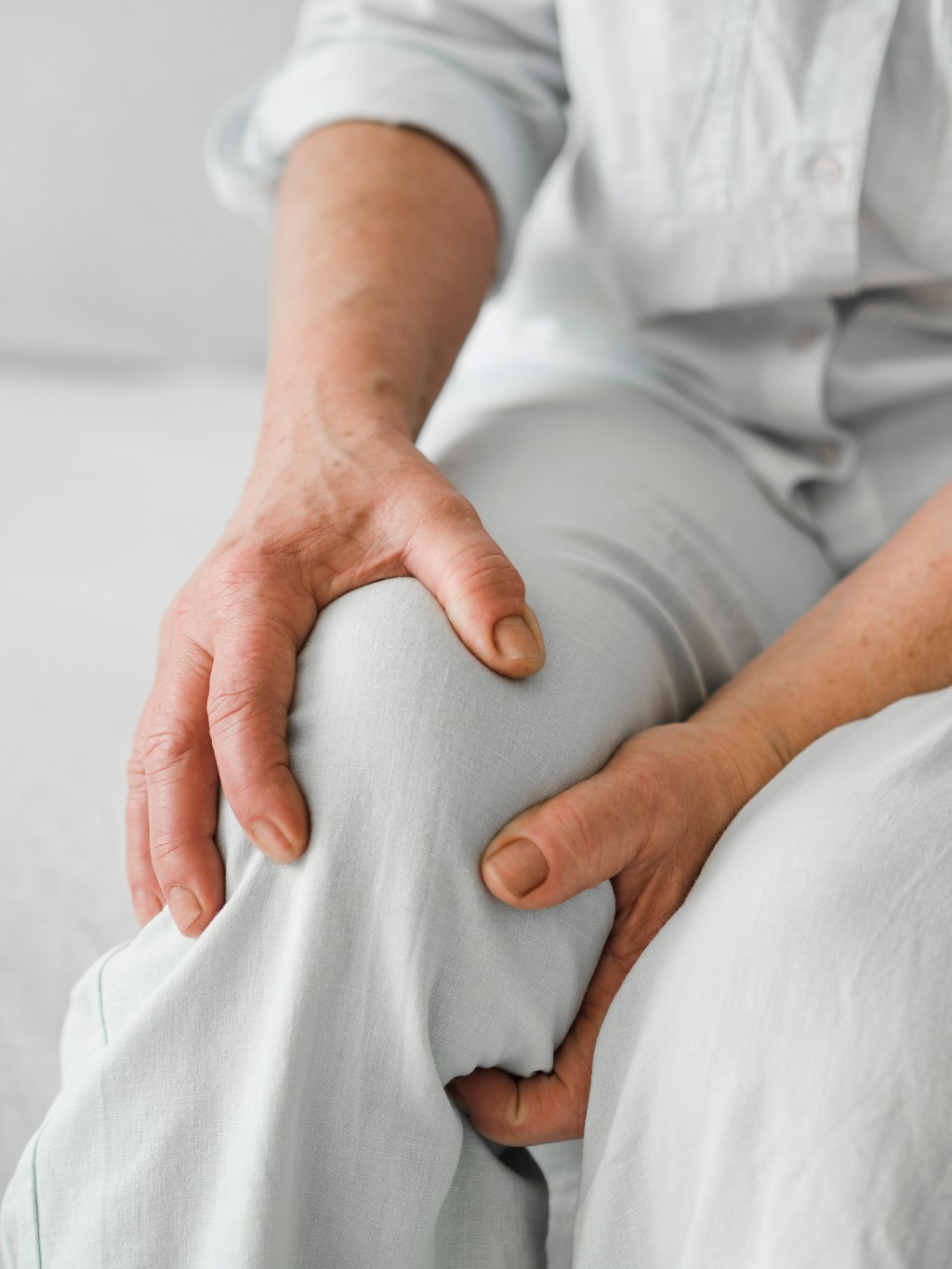
Osteoarthritis (OA) is the most common form of arthritis, affecting millions of people worldwide. While it is often associated with ageing, osteoarthritis can develop at any stage of adulthood and can significantly impact mobility, independence, work, and quality of life.
The good news is that osteoarthritis doesn’t have to stop you from doing the things you enjoy. With the right treatment, exercise, and support from allied health professionals, many people can successfully manage their symptoms, reduce pain, and stay active.
What is Osteoarthritis?
Osteoarthritis is a degenerative joint condition that occurs when the protective cartilage covering the ends of bones gradually breaks down. Cartilage acts as a smooth cushion that allows joints to move freely and comfortably.
As cartilage wears away, bone underneath becomes less protected causing bone on bone rubbing. This leads to:
- Joint pain
- Stiffness
- Swelling
- Reduced flexibility
- Difficulty performing everyday activities
Osteoarthritis most commonly affects the:
- Knees
- Hips
- Hands
- Spine
Symptoms often develop gradually and may worsen over time if left unmanaged.
How Does Osteoarthritis Develop?
Healthy cartilage is constantly being repaired and maintained by specialised cells within the joint. However, factors such as ageing, injury, excessive joint stress, and inflammation can disrupt this process.
Over time:
- Cartilage begins to break down faster than it can be repaired
- Inflammation develops within the joint
- Cartilage becomes thinner, drier, and less effective at cushioning movement
- The underlying bone becomes exposed
- The body attempts to repair the damaged bone by forming extra bone, known as bone spurs (osteophytes)
These changes can lead to increasing pain, stiffness, reduced movement, and joint dysfunction.
What causes osteoarthritis?
There is no single cause of osteoarthritis. Instead, several risk factors can contribute to its development.
Age
The likelihood of developing osteoarthritis increases with age as the body’s ability to repair soft tissue naturally slows and joints experience wear and tear over time.
Previous Joint Injuries
Sports injuries, fractures, ligament damage, and previous joint trauma can increase the risk of osteoarthritis later in life.
Excess Body Weight
Carrying additional body weight places greater stress on weight-bearing joints such as the hips, knees, and ankles. This can accelerate joint wear and contribute to inflammation.
Repetitive Joint Stress
Occupations or sporting activities involving repetitive movements, kneeling, lifting, or high-impact activities may increase the risk of joint degeneration.
Muscle Weakness
Weak muscles surrounding a joint can reduces stability and increases pressure on joint structures, contributing to pain and dysfunction.
Common Symptoms of Osteoarthritis
Osteoarthritis symptoms can vary from person to person, but common signs include:
Joint pain
Pain during or after movement is often one of the earliest symptoms. Initially, discomfort may occur only after activity, but it can become more persistent over time.
Stiffness
Many people experience joint stiffness after waking up in the morning or following prolonged periods of sitting or inactivity.
Reduced Range of Motion
Osteoarthritis can limit joint flexibility, making everyday tasks such as walking, climbing stairs, getting out of a chair, or gripping objects more difficult.
Swelling and Tenderness
Inflammation around the joint may cause swelling, warmth, and tenderness when touched.
Grinding, Clicking or Cracking
As the cartilage deteriorates, some people notice a grinding, clicking, or cracking sensation during movement, particularly in the knees.
How is Osteoarthritis Diagnosed?
Diagnosis typically involves a comprehensive assessment by a healthcare professional, including:
- Review of symptoms and medical history
- Physical examination
- Assessment of movement and function
- Imaging such as X-rays or MRI scans when appropriate
Early diagnosis and intervention can help manage symptoms and maintain long-term joint health.
Osteoarthritis Treatment Options
Although there is currently no cure for osteoarthritis, there are many effective treatments available to help reduce pain, improve movement, and support an active lifestyle.
Soft Tissue Occupational Therapy
Soft Tissue Occupational Therapy can help reduce muscle tension, improve circulation, and support joint function.
Hands-on treatment techniques combined with movement strategies may help:
- Reduce pain and discomfort
- Improve mobility
- Increase participation in daily activities
- Support independence and quality of life.
Treatment is tailored to the individual’s symptoms, lifestyle and goals.
Exercise Physiology
Exercise is one of the most effective evidence-based treatments for osteoarthritis.
A personalised exercise program can help:
- Improve joint mobility
- Strengthen surrounding muscles
- Reduce pain and stiffness
- Improve balance and stability
- Enhance overall function
- Support healthy weight management
An exercise physiologist can prescribe safe, targeted exercises that are appropriate for your condition and stage of recovery.
Pain Management Strategies for Osteoarthritis
Many people find that a combination of treatment approaches provide the greatest relief.
Depending on your individual needs, pain management strategies may include:
- Heat packs to ease stiffness
- Joint supports such as knee braces or compression gloves
- Topical pain-relief creams
- Activity modification and pacing strategies
- Regular movement and exercise
- Guidance from allied health professionals
Always speak to your healthcare provider before starting new treatments or supplements.
Can Vitamins Health Osteoarthritis?
While vitamins are not a cure for osteoarthritis, addressing nutritional deficiencies may support overall joint and bone health.
Vitamin D
Vitamin D plays a vital role in maintaining health bones, muscles, and joints. It helps the body absorb calcium efficiently, which is essential for maintaining bone strength and supporting the structures that sit beneath joint cartilage.
Research has identified a link between vitamin D deficiency and an increased risk of osteoarthritis progression, particularly in weight-bearing joints such as the knees and hips. Low vitamin D levels may contribute to changes in bone beneath the cartilage, potentially increasing joint stress and discomfort over time.
Vitamin D also plays a role in regulating inflammation and supporting muscle function. Strong muscles help stabilise joints and reduce excessive loading, which may assist in managing osteoarthritis symptoms.
Vitamin C
Vitamin C is essential for collagen production, one of the primary building blocks of cartilage, tendons, ligaments, and other connective tissues. healthy collagen production helps support the structure and function of joints and may contribute to maintaining cartilage integrity.
Vitamin E
Vitamin E is an antioxidant that helps protect the body’s cells from oxidative stress. Oxidative stress is believed to contribute to inflammation and cartilage breakdown within joints affected by osteoarthritis.
If you are considering supplementation, consult your healthcare provider and have your vitamin levels assessed where appropriate.
When Should You Seek Help for Osteoarthritis?
If joint pain, stiffness, or reduced mobility is affecting your daily activities, work, exercise, or quality of life, seeking professional support early can make a significant difference.
Early intervention may help:
- Reduce pain
- Improve mobility
- Maintain independence
- Prevent further loss of function
- Keep you active for longer
How Our Allied Health Team Can Help
At Urban Health HQ, our Soft Tissue Occupational Therapists and Exercise Physiologists work together to provide personalised osteoarthritis management programs.
We focus on helping you:
- Reduce pain and stiffness
- Improve movement and mobility
- Build strength and confidence
- Stay active and independent
- Return to the activities you enjoy
Whether you’re experiencing knee osteoarthritis, hip arthritis, hand pain or general joint stiffness, our team can help you develop a treatment plan tailored to your goals.
Book an Assessment
If you’re living with osteoarthritis and want expert support, contact our team today to learn how Soft Tissue Occupational Therapy and Exercise Physiology can help you move better, feel stronger, and live more comfortably.
You can visit our website at https://urbanhealthhq.com.au or contact us by calling 0411563391 or email admin@urbanhealthhq.com.au

