Occupational Therapy
-
5 Tips To Manage Permanent Muscle Spasm Pain
Permanent muscle spasm A muscle spasm is an involuntary contraction within the muscles of your body. This means that your muscles suddenly tighten without your conscious intent. There are two types of muscles spasms: Acute muscle spasms: These spasms occur from overuse, injury, dehydration or lack of proper warm up before exercise. A spasm can…
-
Your #1 Guide To a Calf Muscle Spasm Relief
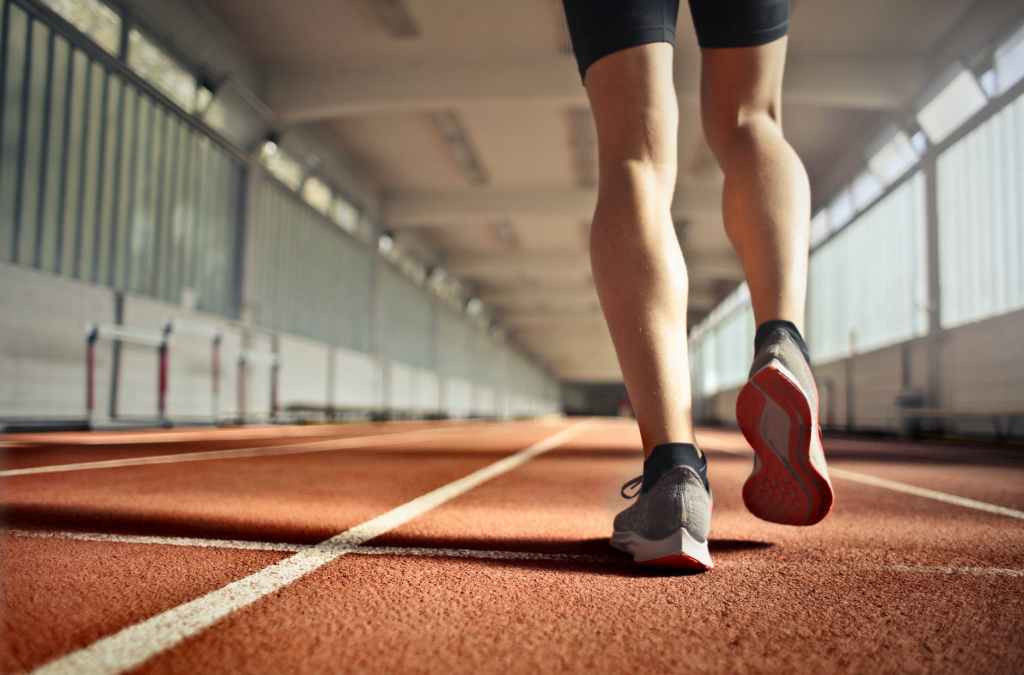
What is the calf muscle? Your calf muscle is called the gastrocnemius – which is located on the back of our lower legs. This muscle creates the distinctive shape of the calves. The function of the gastrocnemius is to plantarflex the foot, which is the action of pointing your toes. The gastrocnemius works together with…
-
What Does the Treatment of a Lumbar Muscle Spasm Involve?

According to the Australian Institute of Health and Welfare: -In Australia 2015, back problems were the 2nd leading cause of disease burden. -In Australia 2017-18, 1 in 6 Australians had back problems. Read more to find out how our team of Occupational Therapists and Exercise Physiologists can help you today!
-
Top 7 Remedies to Treat a Muscle Spasm At Home
What is a Muscle Spasm? A muscle spasm is an involuntary contraction within any of the muscles of your body. This means that your muscles suddenly tighten without your conscious intent. Spasms can occur within any muscle of the body – from part of a muscle, up to several muscles within the same area. Anyone…
-
7 Exercises to Help When Personal Training a Client With Back Pain

The muscles of your lower back are responsible for movement, postural control and support. They work alongside your bones and ligaments to allow for functional movements and keep you upright throughout the day. When these lower back muscles are sustained in an awkward position, experience an unexpected movement or are overexerted they can become irritated…
-
#1 Guide to Flexor Digitorum Pain Relief

What is the flexor digitorum longus? The flexor digitorum longus is a muscle located on the backside of both lower legs, deep below the gastrocnemius and soleus muscles. It is on the medial (inner) side of the tibia bone. The role of the flexor digitorum longus is to flex the second, third, fourth and fifth…
-
What are the Benefits of Pre and Post Natal Exercise?
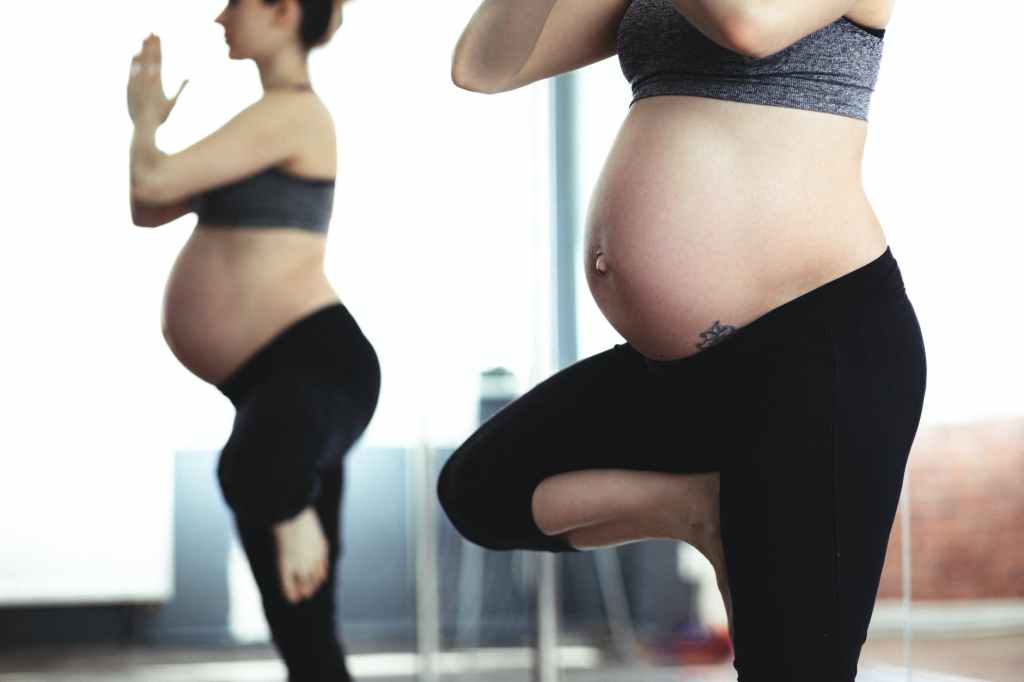
Exercise is fantastic to physically strengthen your muscles; lose any weight you have gained and raise your energy levels. Mentally, exercise can relieve stress and help prevent postpartum depression. It is understandable as a new mother that you will have limited time to exercise. At any opportunity you get 5 minutes of exercise is better…
-
3 Ways To Manage Supinator Muscle Pain
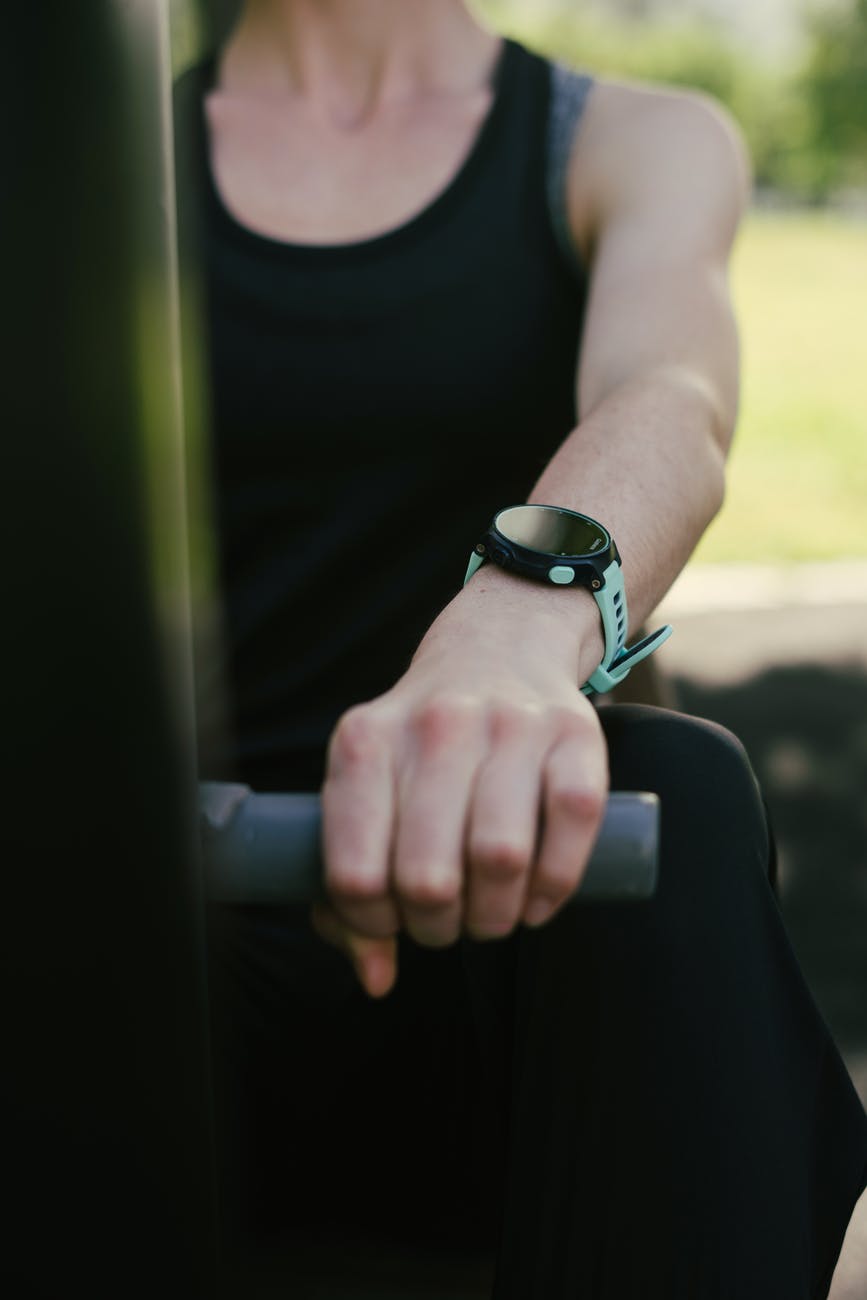
The supinator muscle is located deep within both forearms. Its role is to make the supination movement of the forearms – which is the movement of turning your hands so that the palms face upwards. Check out or blog below to find out how Soft Tissue OT can help with your supinator pain!
-
How To Fix Your Scalene Muscle Pain
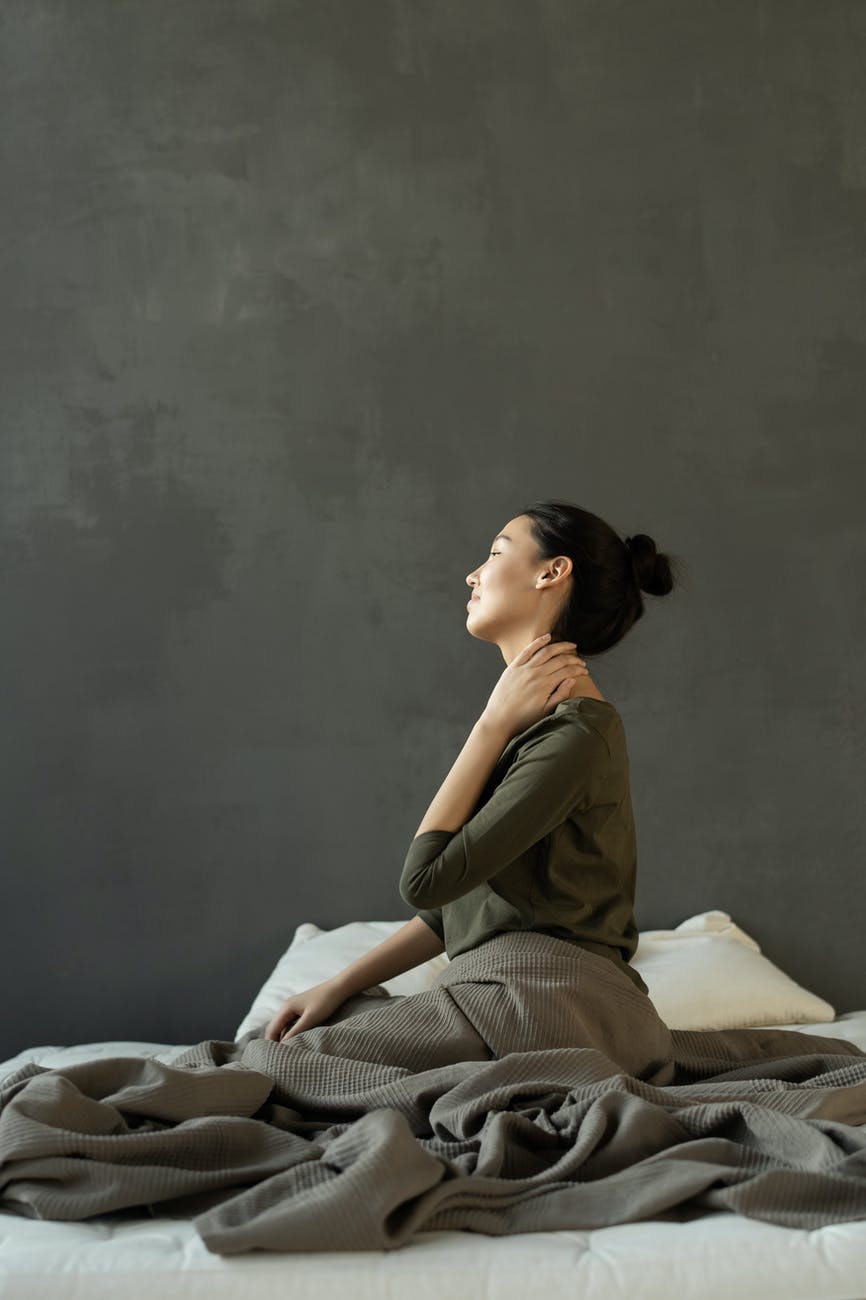
The scalenes are a group of muscles found in both sides of your neck. They are made up of three muscles: the anterior scalene, the middle scalene and the posterior scalene. The scalene muscles can refer pain to the chest, upper back, shoulder, arms, wrist, hand and thumb. Soft tissue occupational therapy treatment focuses on…
-
3 Tips to Achieve Brachialis Muscle Pain Relief

Pain in the brachialis may be the result of spasming and tightness, tendonitis (inflammation of the tendon attaching your muscles to the bone) or a muscle tear. In this case, a soft tissue occupational therapist can help provide brachialis muscle pain relief.
 Urban Health HQ